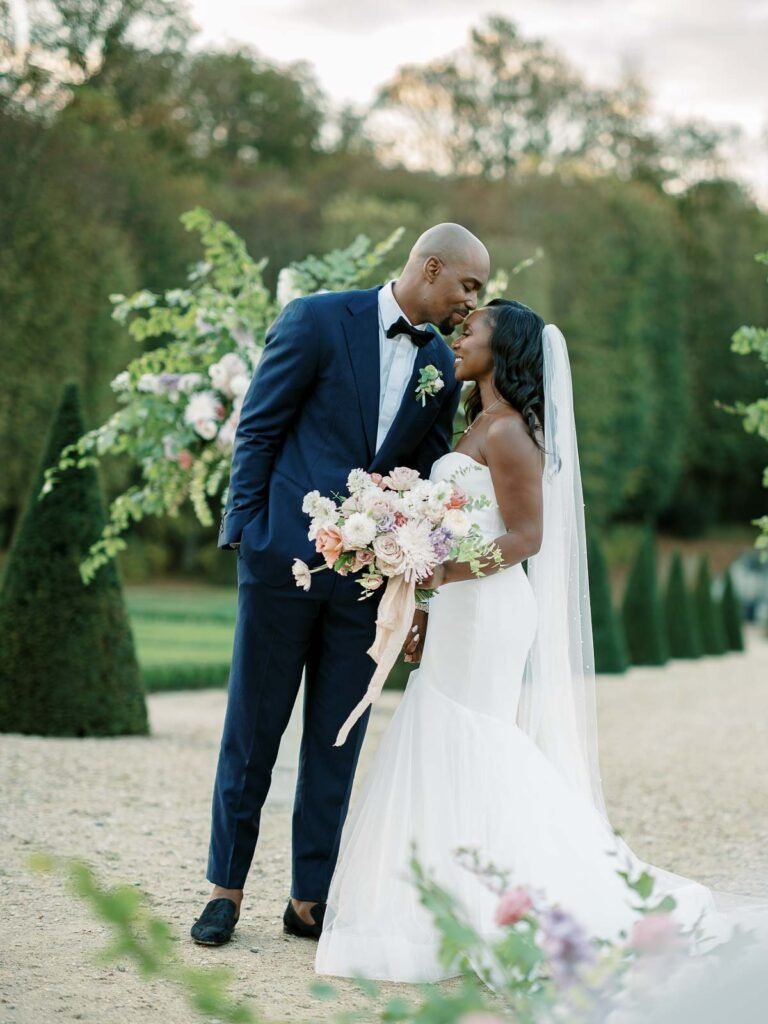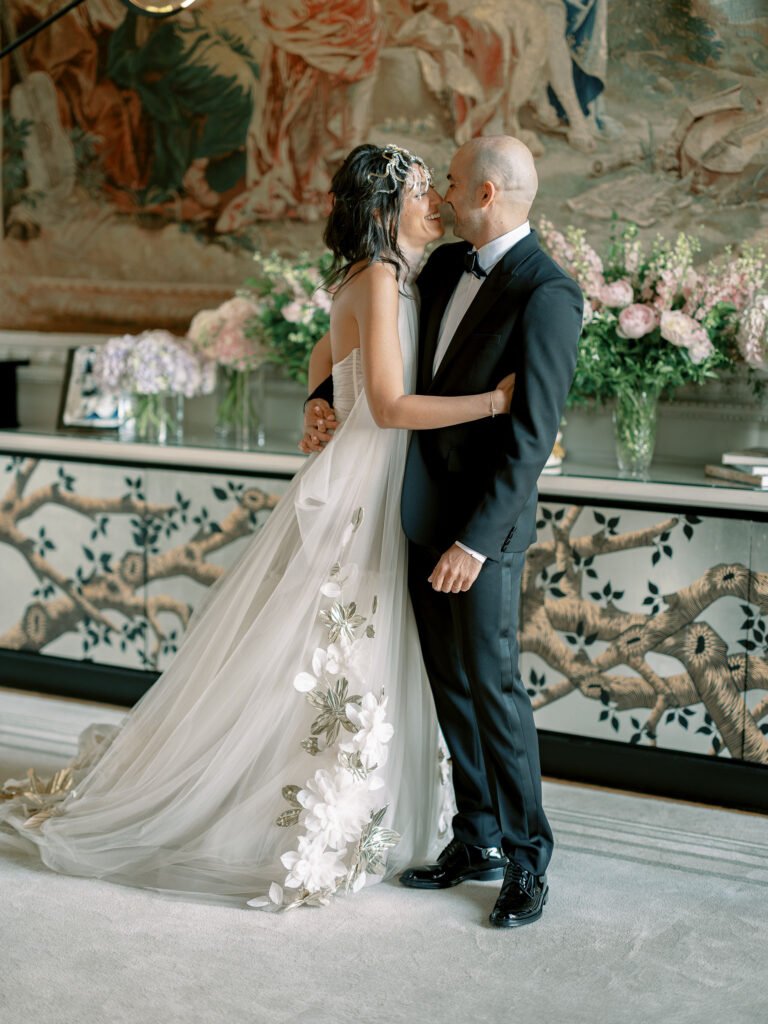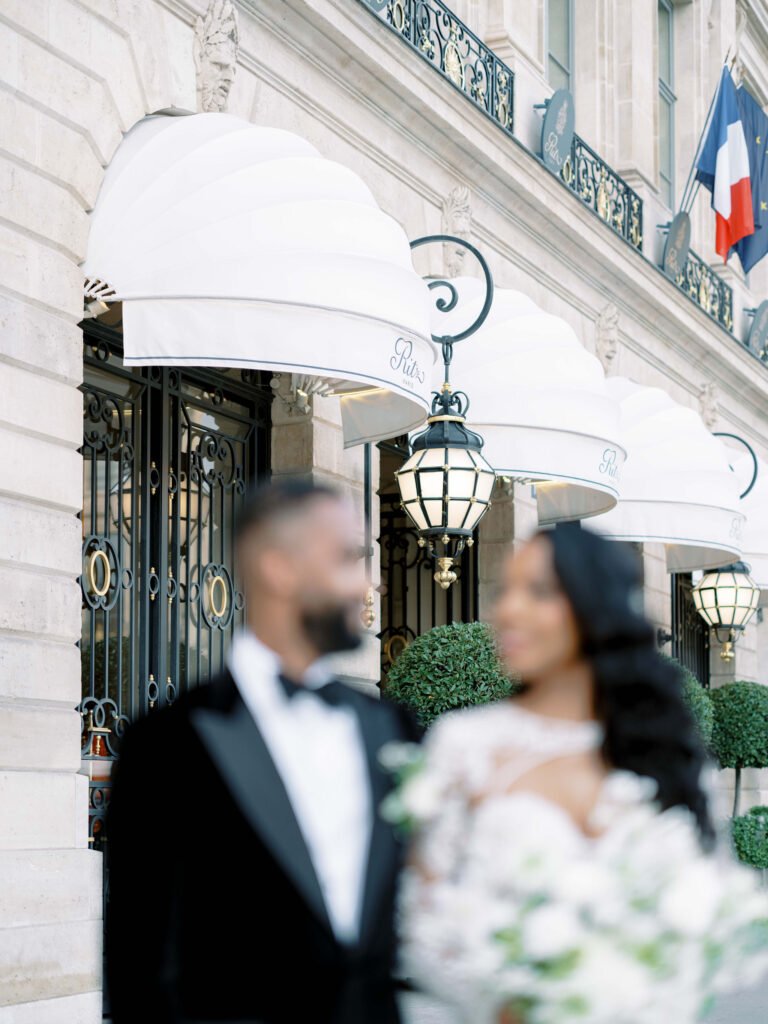
I get asked this question more often than you would expect: what’s different about hiring a French wedding photographer versus flying in someone from abroad? It’s a fair question, and the answer goes deeper than logistics.
I have been based in the Paris region for years—work recently named in Wezoree’s TOP 20 wedding photographers in France for 2026. I photograph weddings across France, Paris, Provence, Bordeaux, the Côte d’Azur, Burgundy, and occasionally in Italy, Greece, Switzerland, and West Africa. But France is home, and there is a meaningful difference between photographing somewhere you visit and photographing somewhere you live. The best French wedding photographer for your day is almost always the one who has spent years watching the same light move across the same stones.
A French wedding photographer knows the light, not just the sunrise times
Every photographer can check what time golden hour starts. That’s a weather app, not expertise. What a local French wedding photographer knows is how light behaves in specific places at specific times of year, information you can only accumulate through repetition.
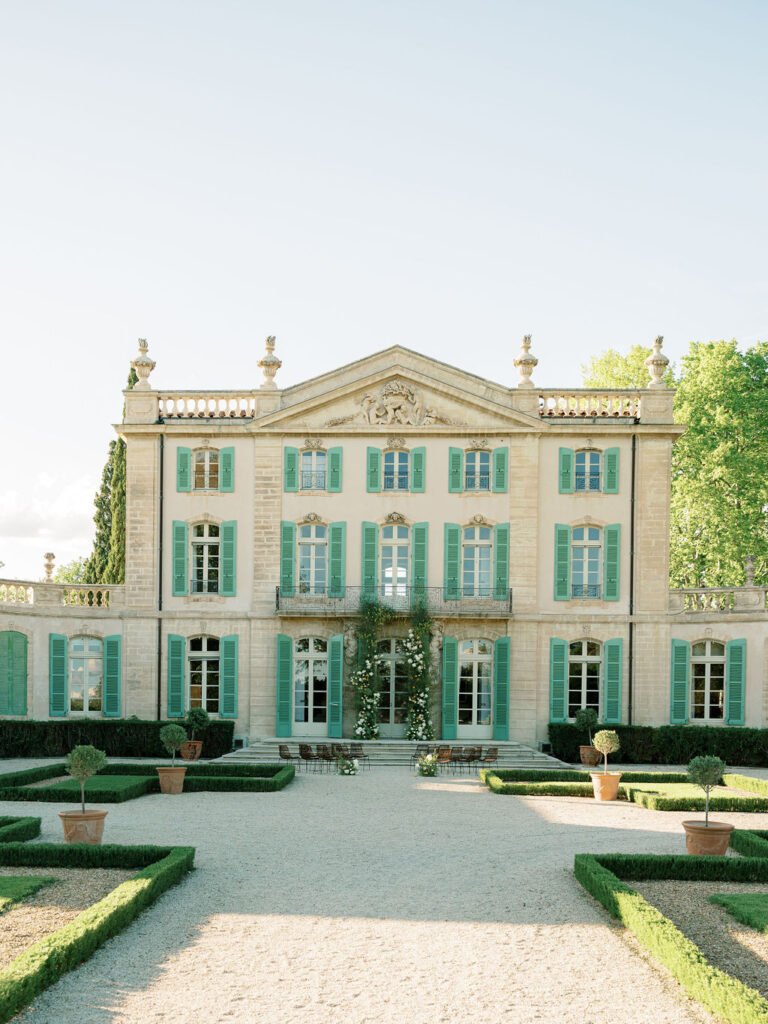
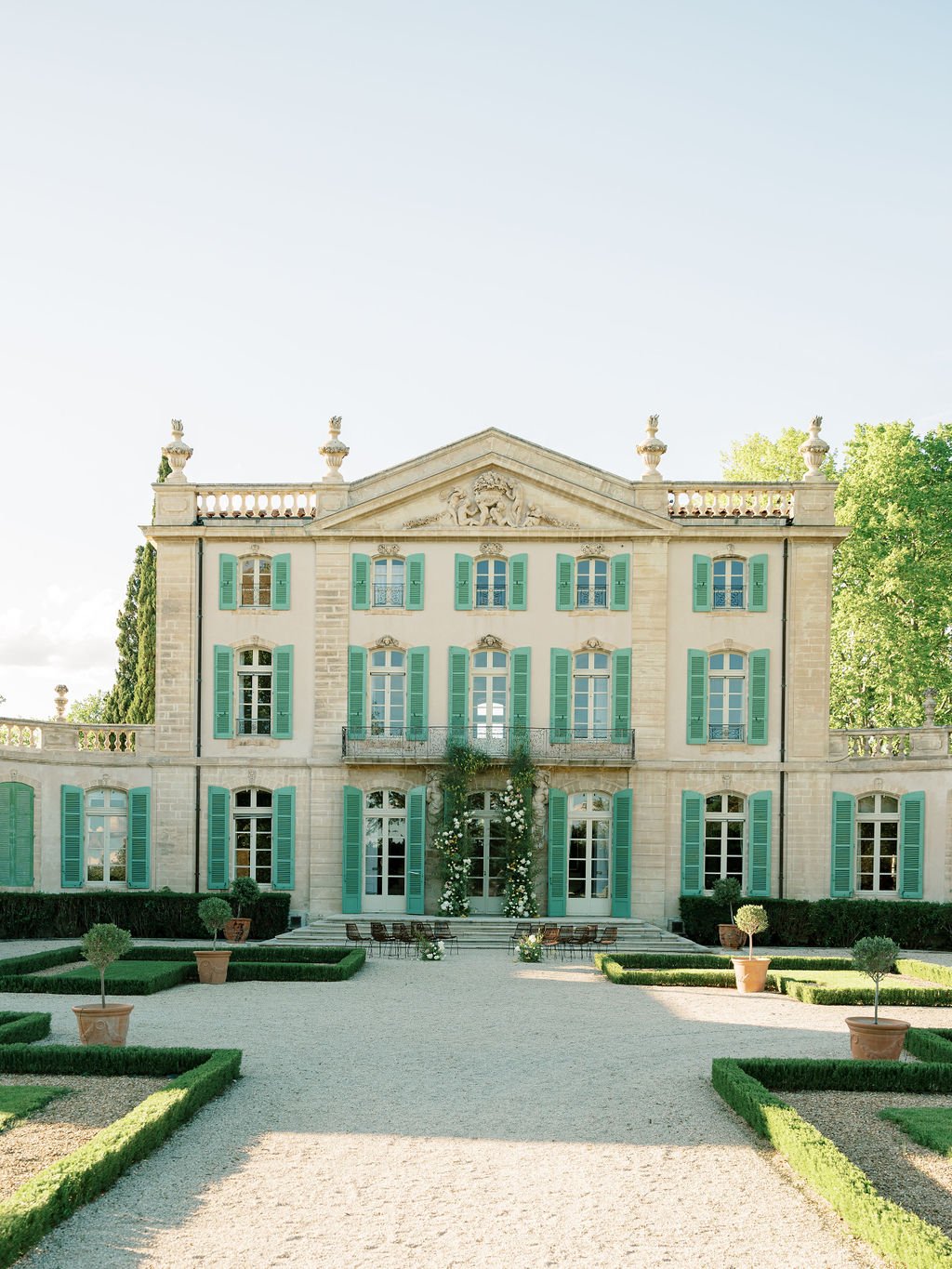
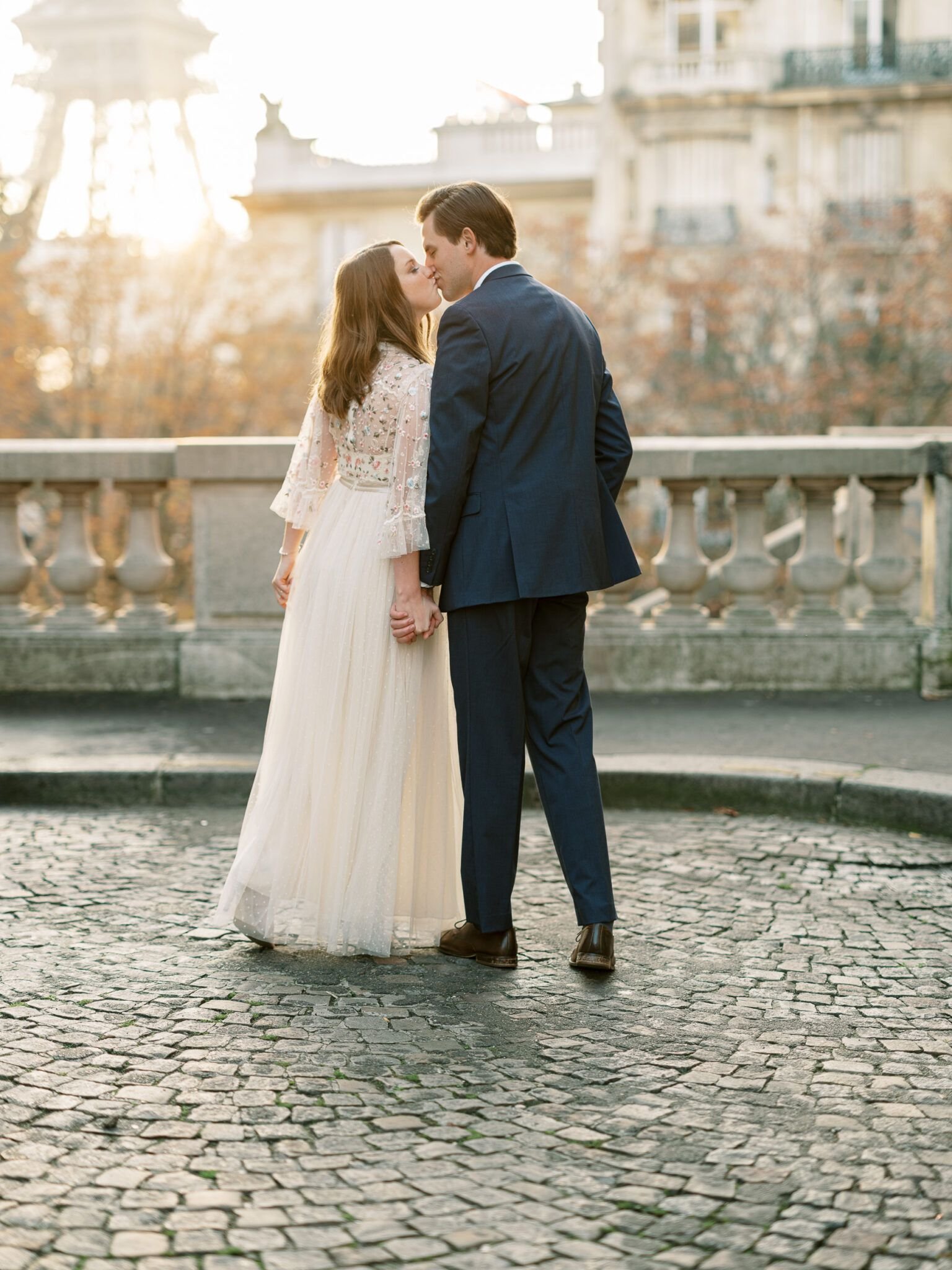
I know that the Opéra Garnier’s Grand Escalier gets warm chandelier light that mixes with cool daylight from the dome above, and that the best position for ceremony shots is three steps up on the left side. I know that Château de Tourreau’s façade glows amber between 5 and 7pm in summer, but shifts to a cooler tone by late September. I know that the Seine reflects golden light onto faces between Pont Neuf and Pont des Arts at sunset, and that you need to be on the lower quay to catch it. For a broader view of how light shapes French heritage architecture see the UNESCO France World Heritage listings.
This kind of knowledge doesn’t exist in any guide. It comes from showing up, year after year, in the same places, watching the light change with the seasons.
The venue relationships a French wedding photographer builds over years
France has some of the most photographically demanding wedding venues in the world. Châteaux with dim interiors and bright gardens. Palaces with strict security protocols. Churches where flash is prohibited. Hotels where the bridal suite faces north and gets zero direct sunlight.
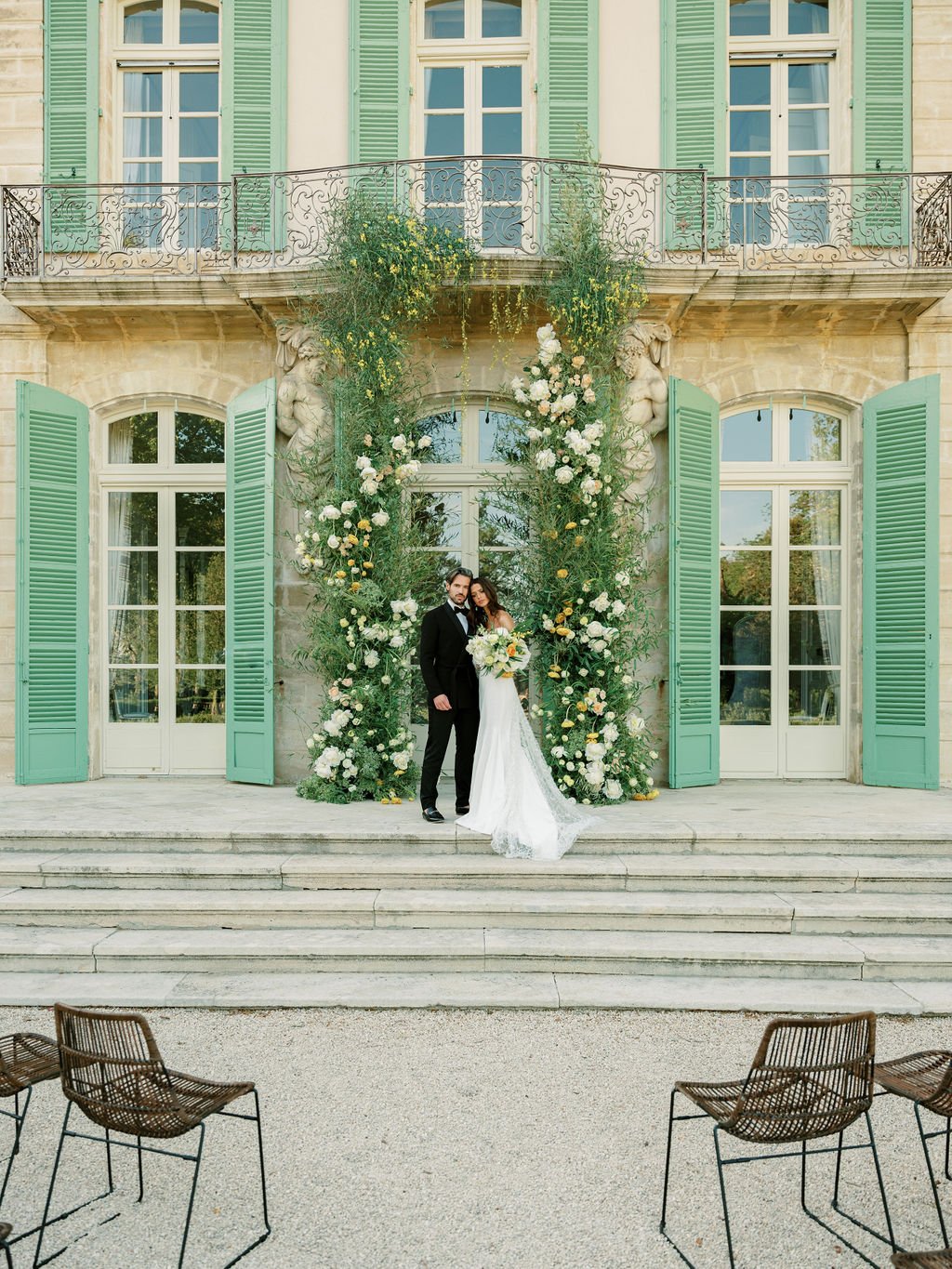
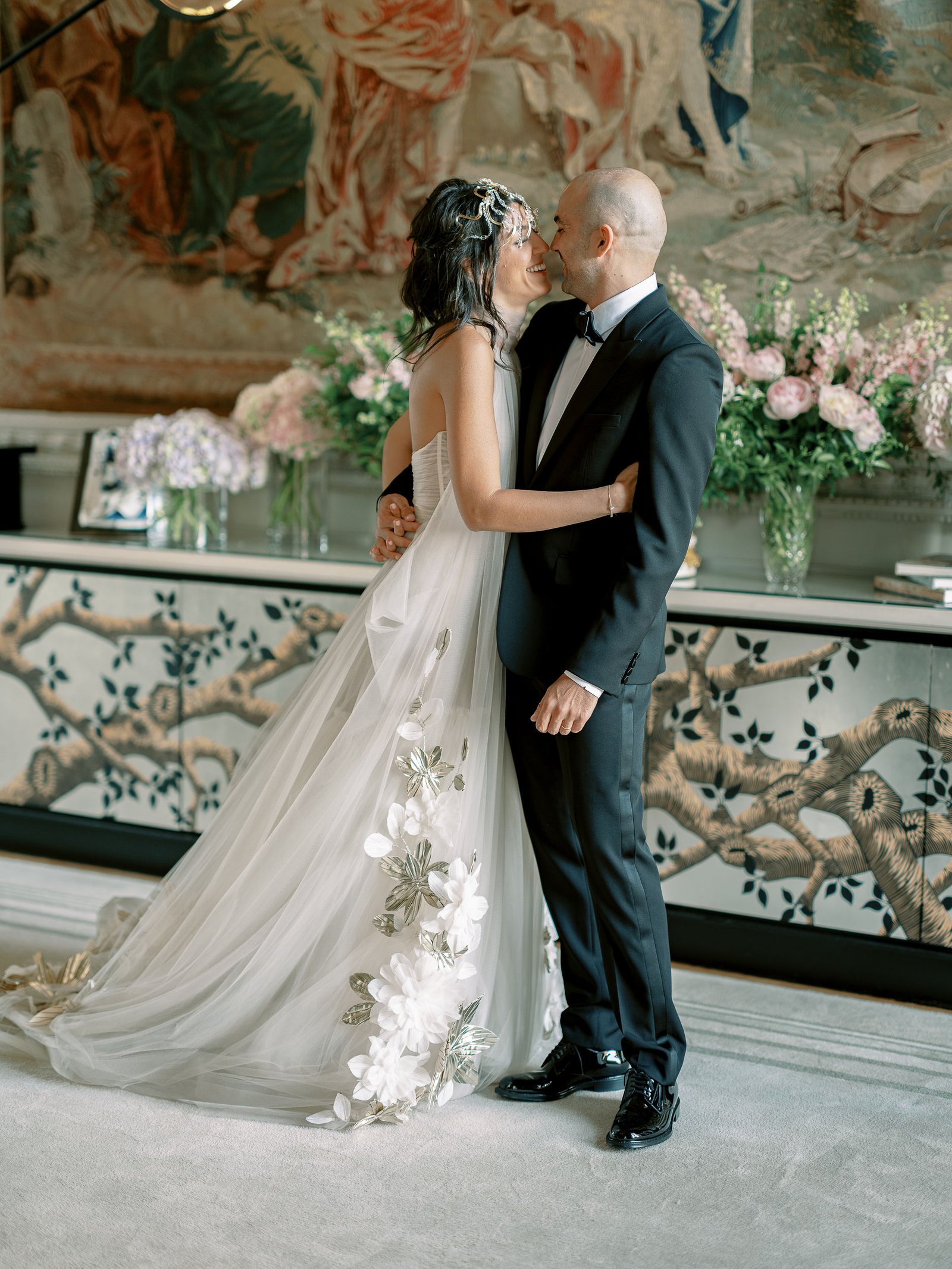
I have built relationships with venue coordinators across the country. At the Shangri-La in Paris, the events team knows I arrive early to scout the terrace light. At Château de Villette, the staff understand that I need access to the chapel before guests arrive. At the Crillon, the security team has my name on file. This is what a French wedding photographer offers that a visiting one cannot replicate on a single trip.
These relationships translate directly to better photographs. When the venue coordinator knows your face and trusts your professionalism, doors open, literally. You get access to the rooftop. You are allowed an extra fifteen minutes in the ballroom before dinner. The staff moves the catering cart out of your background without being asked.
A photographer flying in for one wedding doesn’t have these relationships. They will produce beautiful work, talent travels, but the small advantages that come from being a known professional at a venue are real, and they compound across a full day of shooting.
A French wedding photographer understands the culture
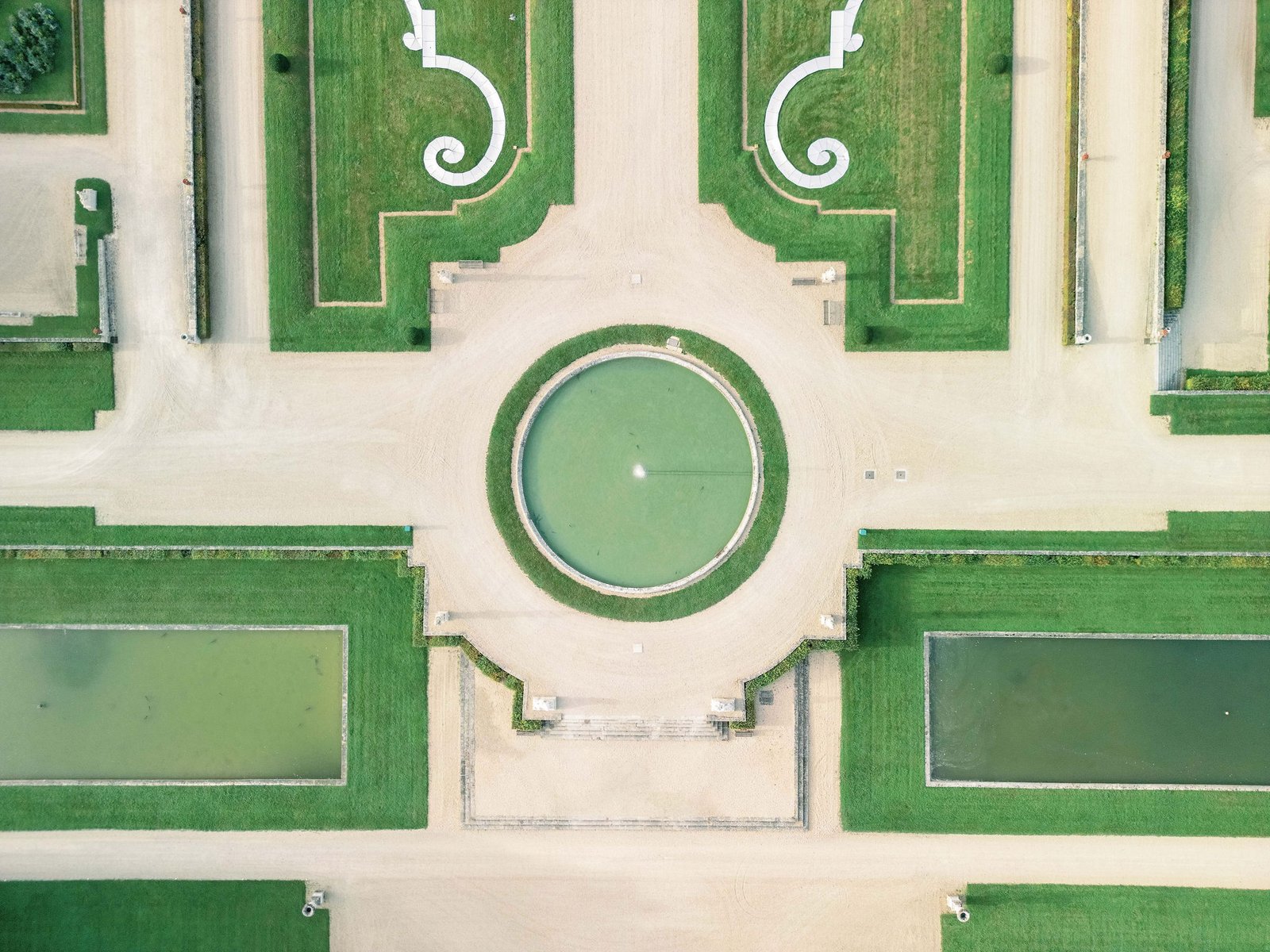
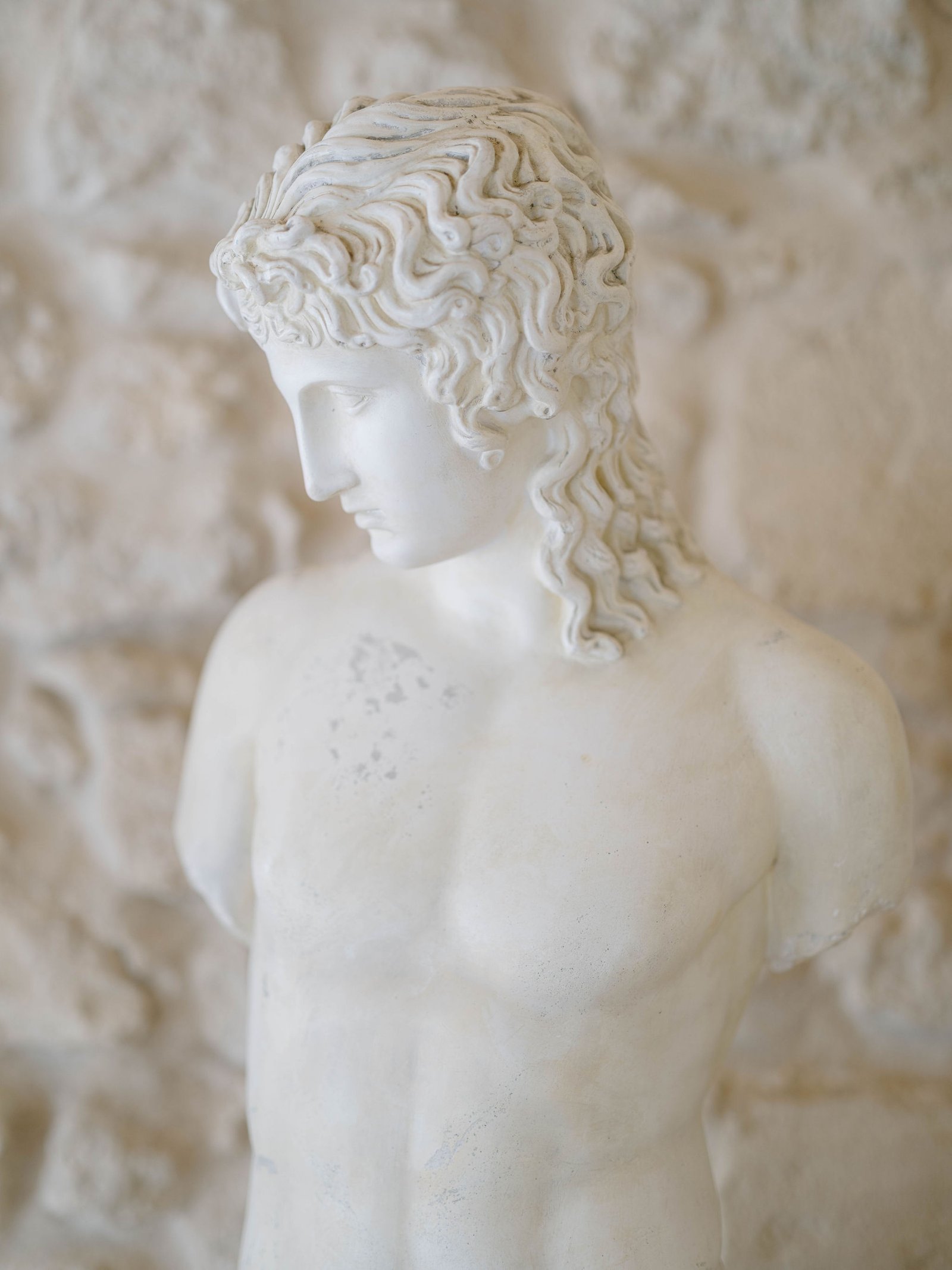
French weddings have their own rhythm, and it is different from American, British, or Middle Eastern celebrations. Understanding these cultural nuances matters for photography, and it is one of the quiet reasons a local French wedding photographer tends to capture more honest images.
The ceremony is often shorter than expected. Civil ceremonies at the mairie can last twelve minutes. Religious ceremonies are longer but follow strict protocols about where a photographer can stand. The cocktail hour (vin d’honneur) is a sacred social event that can last two hours, and it is where some of the most genuine candid moments happen.
French guests tend to be more reserved initially than American guests. They warm up gradually, and by midnight, the dance floor is chaos in the best possible way. A photographer who does not understand this arc might pack up too early, missing the best party moments.
And then there is the food. French wedding dinners are long, four to five courses, sometimes more. The speeches happen during dinner, not before. The cake is usually a pièce montée or croquembouche, not a tiered fondant cake. These aren’t just cultural details, they are photography moments. Knowing when they will happen and how they will look means I am always in position.
The legal and practical side of hiring a French wedding photographer
This is the part that rarely makes the wedding blogs, but it matters enormously for destination couples, and it is where choosing a French wedding photographer quietly removes a whole category of risk from your planning.
A French-based photographer carries French professional insurance (responsabilité civile professionnelle), which is required by most luxury venues. Flying in a foreign photographer means either arranging temporary coverage, which is expensive and complicated, or hoping the venue doesn’t ask. Most prestige venues ask.
There is also the question of permits. Drone photography in France requires specific certification (brevet de pilote UAS) and advance authorization from the DGAC. Shooting in certain Paris locations requires a permit from the mairie. I handle all of this as standard practice.
And practically: I don’t need a hotel. I don’t need a flight. I don’t charge travel days for weddings within France. For destination couples already investing in a French venue, a local photographer reduces both cost and complexity.
Style and the French aesthetic through a French wedding photographer’s lens
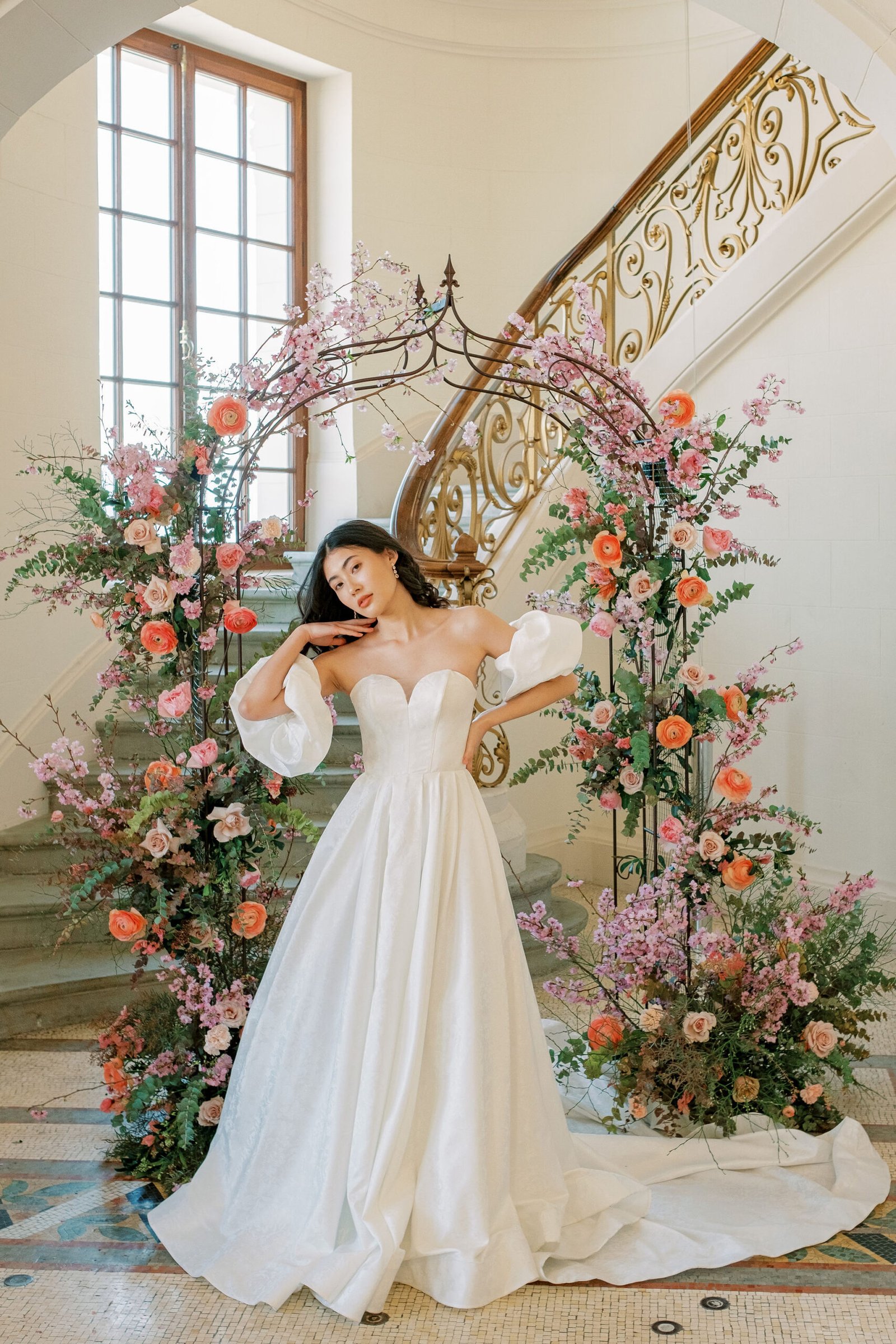
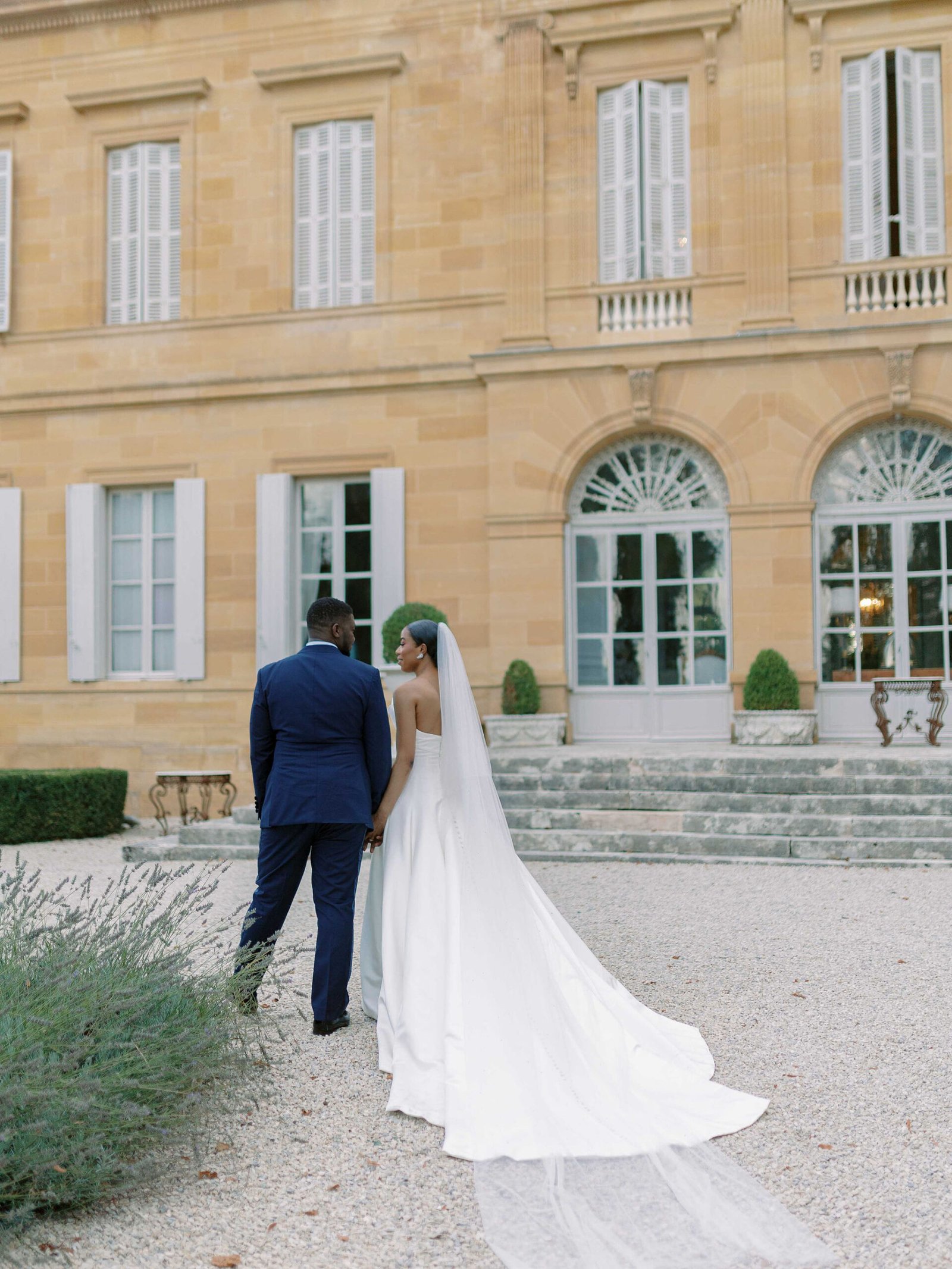
There is a reason French fashion, French cinema, and French photography have a distinct visual identity. It is not an accident, it is a cultural relationship with light, composition, and restraint that permeates creative work, and every French wedding photographer I admire carries some trace of it.
My style is editorial-documentary. I compose frames with the precision of a magazine editorial, but I never manufacture moments. This approach draws heavily from French visual culture, the Nouvelle Vague filmmakers who used natural light and found compositions, the fashion photographers who understood that elegance lives in simplicity, not excess.
I shoot medium format precisely because it rewards this approach. The wide dynamic range captures the subtle tonal gradations in French architecture, the difference between cream and ivory in a limestone wall, the way late afternoon sun turns a grey zinc roof to silver. These nuances matter in a country where the built environment is itself a work of art.
When to hire a French wedding photographer versus flying someone in
I want to be honest about this. There are valid reasons to fly in a photographer from another country. If you have a deep existing relationship with a photographer who has captured your engagement, your family events, your personal milestones, that continuity has real value. Someone who already knows your face, your laugh, your comfort zones will capture something a new photographer can’t.
But if you are choosing a photographer specifically for your French wedding, as most destination couples are, a French wedding photographer based in France offers tangible advantages. Venue knowledge, vendor relationships, cultural fluency, legal compliance, and the accumulated understanding of how light works in this country across seasons.
The question isn’t whether foreign photographers can shoot beautiful weddings in France. Of course they can. The question is whether you want someone who knows the stage, or someone who is performing on it for the first time.
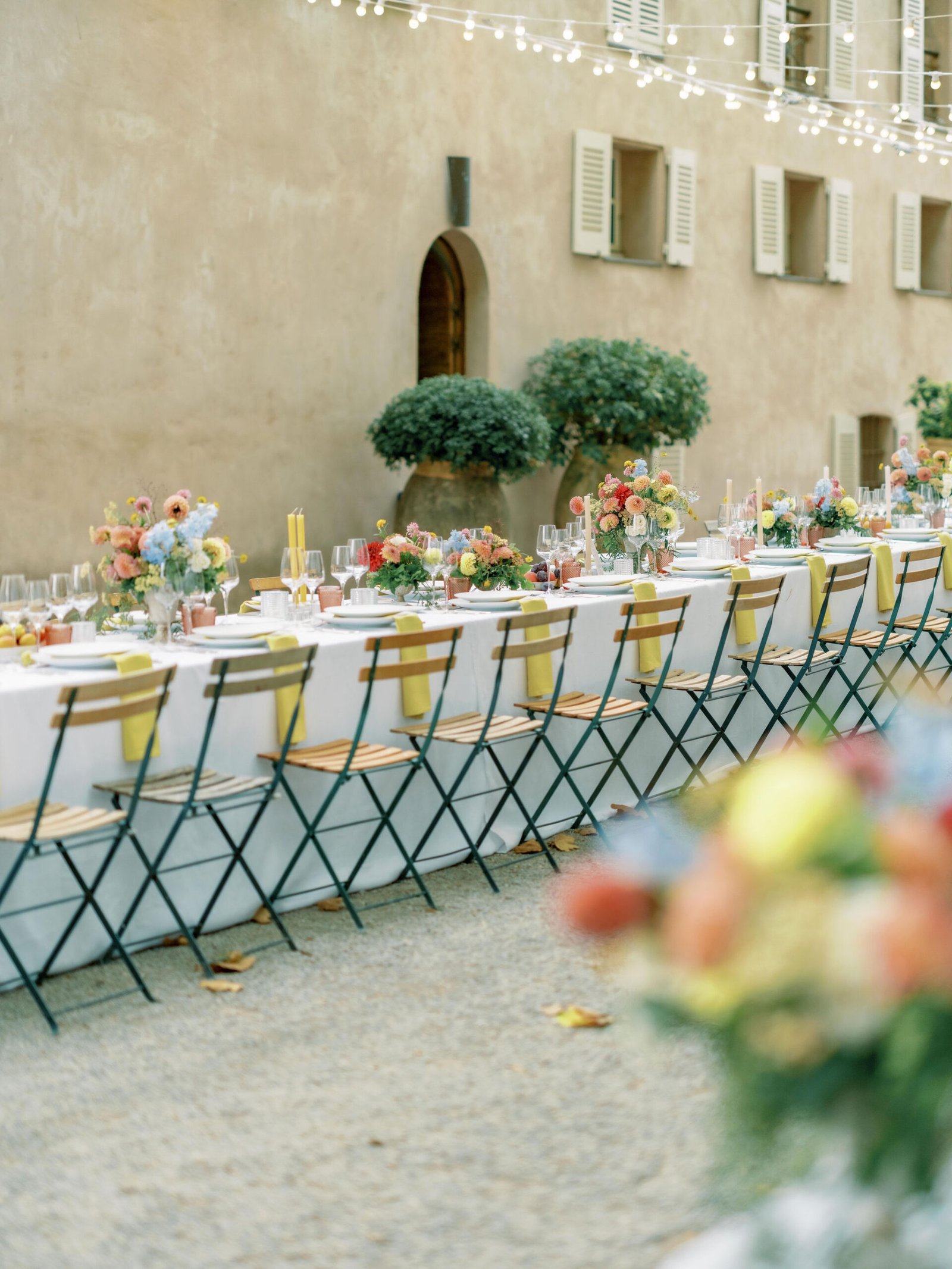
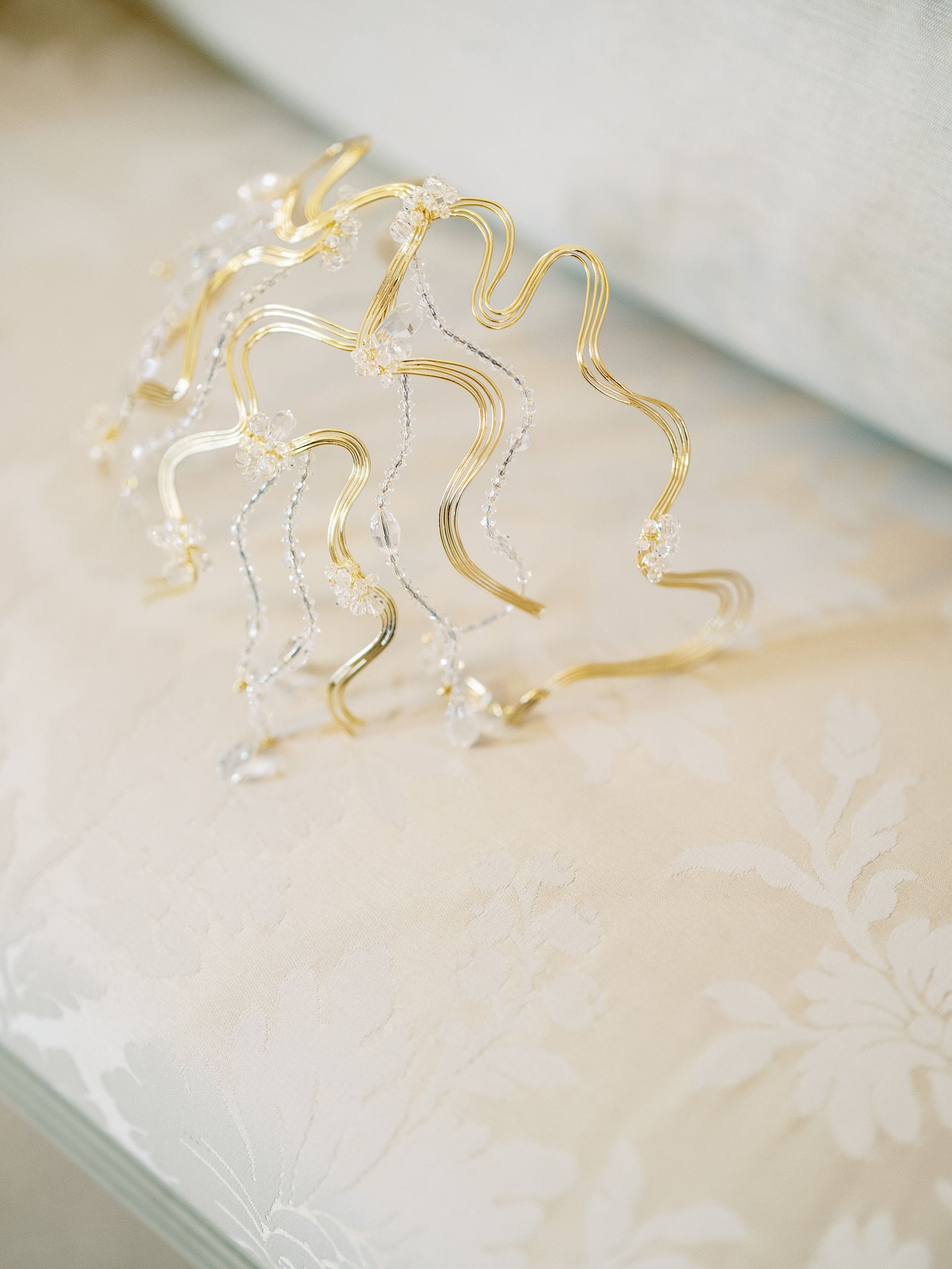
Considering a wedding in France?
Whether you are planning a Paris celebration, a Provençal château weekend, or an intimate ceremony on the Côte d’Azur, I am happy to share what I know as a French wedding photographer, venues, vendors, timing, logistics. Even before you have committed to a photographer, a conversation about your vision costs nothing and might save you decisions you would regret.
Let’s talk about your French wedding.
Photography: Franklyn K Photography
Based in: Paris, France
Destinations: Paris · Provence · Bordeaux · Côte d’Azur · Burgundy · Tuscany · Santorini · Geneva · Ivory Coast
Published in: Vogue · Brides · Wedding Sparrow · Carats & Cake