Every wedding blog has a version of this article. « 20 questions to ask before you book! » « The ultimate photographer checklist! » I’ve read most of them. Some are useful. Many are surface-level. Almost none are written by someone who has actually answered these questions hundreds of times from the other side of the table.
So here’s my version, not just the questions to ask your wedding photographer, but what the answers reveal. Because asking the right question is only half the work. Knowing what to listen for is what actually protects you.
Before we start: the question behind every question
When a couple sits down with me for a consultation, they usually have a list of practical questions. How many hours? How many photos? What’s included? These matter, of course. But the real question underneath all of them is this: Can I trust you with the most important day of my life?
Everything below is designed to help you answer that one question.
Questions to ask your wedding photographer: full galleries
« Can we see a full gallery from a single wedding? » This is the most important question on this list, and most couples don’t think to ask it.
Every photographer’s website shows their best work. Mine does too. Those are the frames where the light was perfect, the composition was flawless, and the emotion was overwhelming. But a wedding day isn’t just golden hour. It’s also a dimly lit church at noon, a chaotic getting-ready room, a packed dance floor at midnight.
What to listen for: A photographer who immediately shares a full gallery is confident in their consistency. One who hesitates or offers excuses might be a highlight-reel shooter, brilliant in bursts, inconsistent across a full day. You’re hiring someone for 8 to 18 hours, not for 20 minutes of magic.
When couples ask me this, I send them a complete gallery, typically 600 to 800 images from a single wedding. I want them to see the quiet moments, the in-between frames, the details. That’s where trust is built.
« What happens if your equipment fails? »
Cameras break. Memory cards corrupt. Lenses malfunction. It’s not a question of if, it’s when. And at a wedding, there are no second chances.
What to listen for: The answer should be specific. Not « I have backups » but « I carry two camera bodies, each with dual memory card slots recording simultaneously. I have backup lenses for every focal length I use. My assistant carries additional equipment. Every image is written to two cards at once, so even if one card fails, every photo exists on a second card. »
I shoot with the Fujifilm GFX medium format system. My backup body is always in my bag, charged and ready. Both card slots are active on every camera. I’ve never lost a single image in my career, and I intend to keep it that way.
If a photographer can’t give you a clear, detailed answer to this question, think carefully.
« Have you shot at our venue before? »
This matters more than most couples realize. Every venue has its own personality, not just aesthetically, but in terms of light, logistics, and challenges.
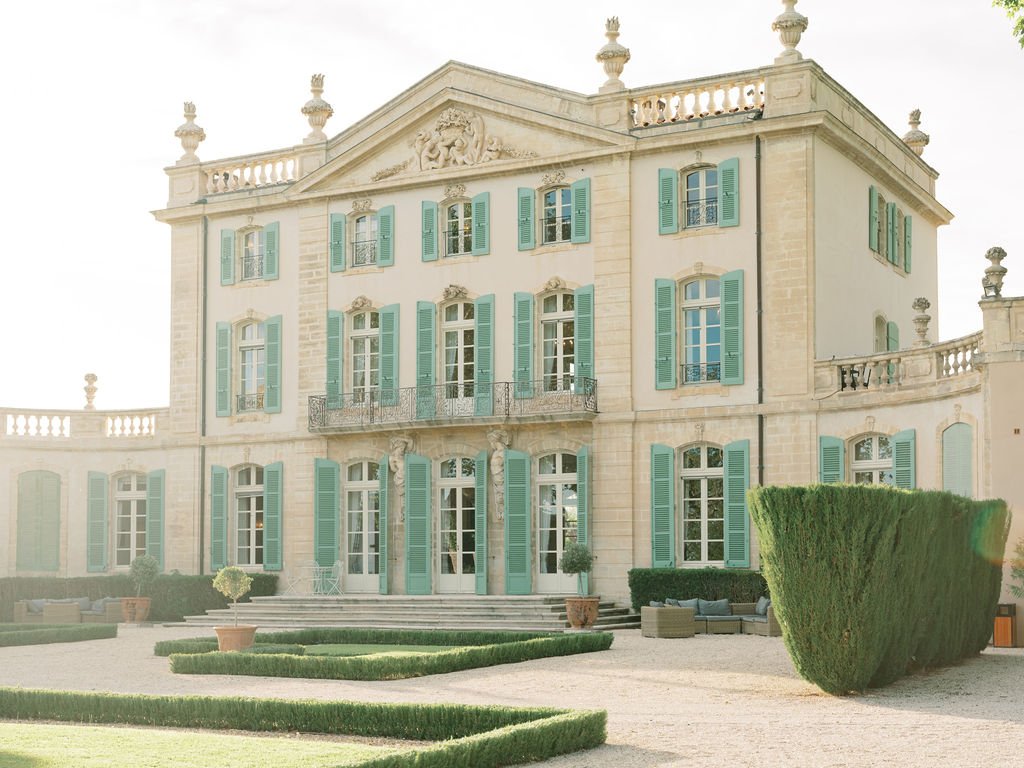
What to listen for: Ideally, yes. A photographer who has shot at your venue knows where the light falls at every hour, which corners are best for portraits, where to position during the ceremony for the most emotional angles. They know the staff, the restrictions, the hidden gems.
If they haven’t shot there, the follow-up question is: « How do you prepare for a new venue? » The answer should involve visiting in advance, studying photos, and coordinating with the venue or planner. I arrive at least a day early for every destination wedding. I walk the grounds, study the light at different hours, and identify the best locations. By the wedding day, I know the venue as well as the staff does. Read more about what I’ve learned shooting weddings in Paris.
« How would you describe your style? »
Everyone asks this. But most couples don’t know what to do with the answer.
What to listen for: Specificity. « I shoot editorial-documentary » tells you something. « I capture beautiful moments » tells you nothing. A photographer who can clearly articulate their style has spent time developing it. One who speaks in vague generalities might not have a defined style yet.
My style is editorial-documentary. That means I compose every frame with the intention of a magazine editorial, precise, deliberate, considered. But I never interrupt a real moment to create a manufactured one. If your grandmother is crying during the vows, I’m already in position because I anticipated it. I don’t ask her to cry again for a better angle.
Beyond the label, look at the work. Does the editing feel consistent across different lighting conditions? Do the images tell a story, or are they a collection of disconnected pretty pictures? Would you want to look at them in twenty years?
« What does the day look like for you? »
This question reveals more than you’d expect. You’re asking about workflow, but you’re really learning about their professionalism, endurance, and commitment.
What to listen for: A detailed answer that shows they’ve done this many times. What time do they arrive? How do they coordinate with the videographer? Do they eat during the reception or skip meals? Do they stay until the end of the party?
My typical wedding day starts 2-3 hours before the ceremony, with getting-ready coverage. I’m present through the ceremony, cocktail hour, portraits (usually timed to golden hour), dinner, speeches, first dance, and party. I’m the first vendor to arrive and the last to leave. I shoot with a second photographer for luxury weddings, because the best moments often happen simultaneously in two different places.
« When will we receive our photos? »
A straightforward question with answers that vary wildly across the industry.
What to listen for: A clear timeline with no hedging. « Six to eight weeks » is standard and reasonable. « Three to six months » is a warning sign, it might mean they’re overbooked or inefficient. « Two weeks » might mean they’re batch-processing with presets rather than individually editing.
My standard delivery is 6-8 weeks. The Grand Collection includes priority editing with delivery within one week. Every single image is individually colour-graded to match the mood of that specific moment. I don’t use batch presets. It takes longer, but the difference is visible.
« What’s included in your pricing? »
This question protects you from surprises. Wedding photography pricing structures vary enormously, and what looks like a great deal can sometimes become expensive once the extras are added. If you’re curious about what goes into the cost, I’ve written about why wedding photography costs what it does.
What to listen for: Transparency. Everything should be clearly laid out, hours of coverage, number of photographers, deliverables (digital files, album, prints), travel costs, any additional fees. If a photographer is vague about pricing or says « we’ll figure it out later, » proceed with caution.
I work with tailored collections rather than rigid packages, because every wedding is different. An intimate elopement in Paris and a three-day destination celebration in Provence require completely different approaches. During our consultation, I’ll propose something designed specifically for your celebration, with every element clearly explained. No hidden costs, no surprises.
« Do you have insurance? »
Boring question. Critical answer.
What to listen for: Yes, without hesitation. Professional liability insurance protects both you and the photographer. Most luxury venues in France and internationally require it. A photographer who doesn’t carry insurance is either cutting corners or hasn’t thought through the risks, neither is reassuring.
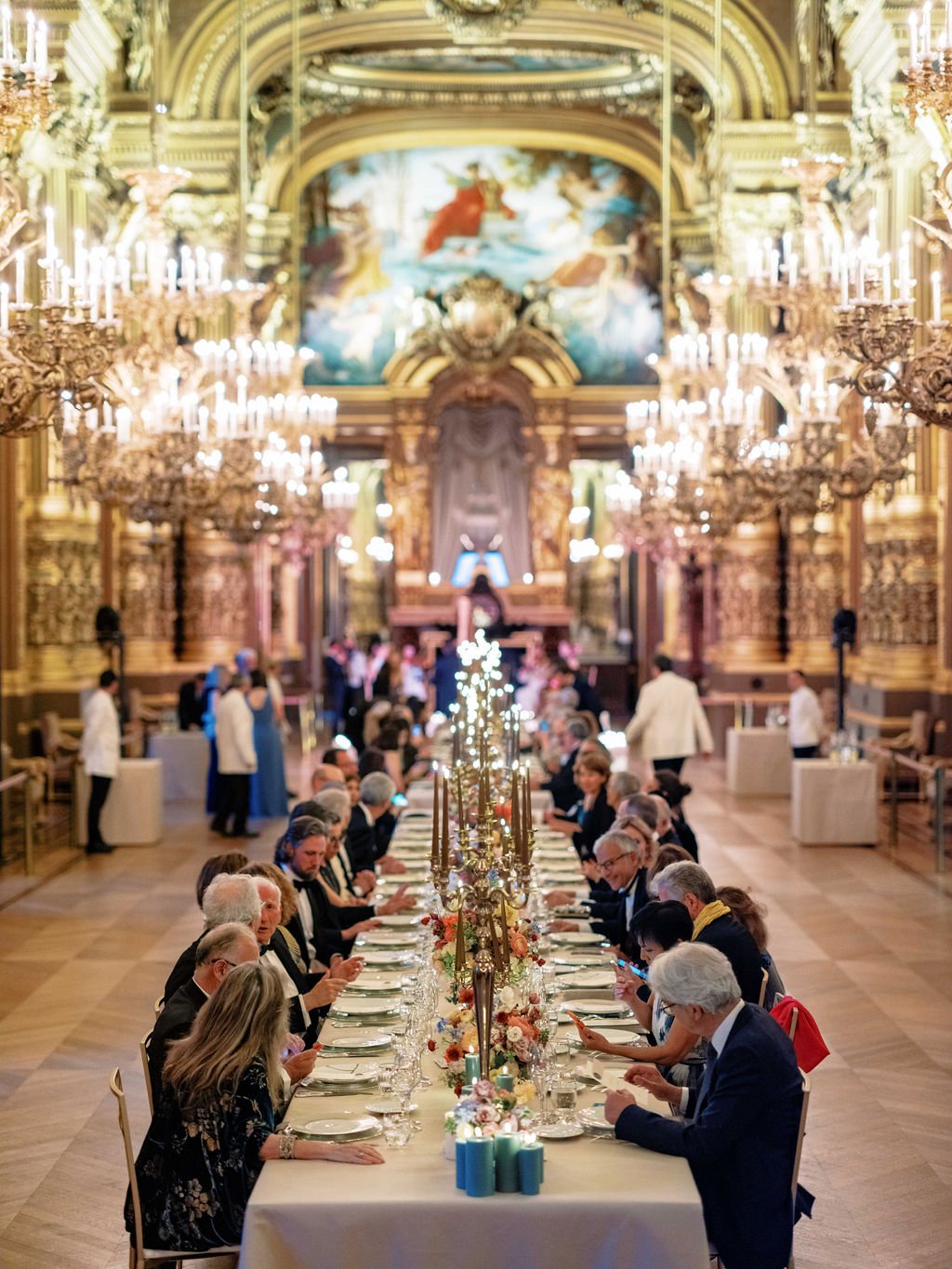
I carry full professional liability and equipment insurance. It’s non-negotiable. Several venues I work with, Shangri-La, Opera Garnier, Chateau de Tourreau, require proof of insurance before they’ll grant access. If your photographer doesn’t have it, some venues may refuse entry on the day.
« What happens if you can’t make it? »
Nobody wants to think about this. But professionals do.
What to listen for: A specific backup plan. « I’ve never missed a wedding » isn’t an answer, it’s luck. The answer should involve a network of trusted colleagues who can step in, a clear contractual clause, and a communication plan.
In over 100 weddings, I’ve never missed one. But my contract includes a force majeure clause, and I maintain relationships with a small network of photographers whose work and professionalism I trust completely. If something genuinely prevented me from being there, which I hope never happens, you wouldn’t be left without coverage.
« How do you handle difficult lighting? »
This is a question most couples don’t think to ask, but it separates experienced photographers from beginners.
What to listen for: Confidence and specificity. A great photographer should be able to explain how they handle dim churches, harsh midday sun, mixed artificial lighting at receptions, and the transition from daylight to darkness. If they can only shoot in « golden hour, » what happens during the other 90% of your wedding?
Parisian light is famously soft and diffused, but it changes constantly. A cloud passes during the ceremony, and the warm golden tone I was metering for becomes cool and silvery. I’ve learned to work with both, my editing leans into these shifts rather than fighting them. At receptions, I use subtle off-camera lighting that preserves the ambient atmosphere while ensuring sharp, beautiful images. Your dance floor photos should feel like the party, not like a studio shoot.
The questions you shouldn’t need to ask
If you’re sitting across from the right photographer, some things should be obvious without asking:
They should have a contract. If they don’t, walk away.
They should listen to you. If the consultation feels like a monologue, that’s how the wedding day will feel too.
They should make you feel comfortable. If you feel awkward or pressured in a 30-minute call, imagine 12 hours together on your wedding day.
They should care about your wedding, not just the booking. If they never ask about your story, your relationship, or what matters most to you, they’re not interested in telling your story. They’re interested in filling their calendar.
A final thought
The best photographer-client relationships aren’t transactional. They’re built on trust, communication, and a shared understanding of what matters. The questions above will help you identify the right photographer, but ultimately, trust your instinct. The person whose work moves you, whose conversation energises you, and whose presence makes you feel at ease is probably the one.
Not sure where to start? Read my guide on how to choose a wedding photographer.
If you’d like to start that conversation with me, I’m here.
Photography: Franklyn K Photography
Style: Editorial-documentary, fine art minimalist
Equipment: Fujifilm GFX medium format
Published in: Vogue · Brides · Wedding Sparrow · Carats & Cake
Based in: Paris, France · Available worldwide