I’ve worked with planners who transformed a chaotic day into a seamless experience, and I’ve worked without planners on days that could have been half as stressful with the right person coordinating. After more than a hundred luxury weddings, I have a strong opinion on this: if your budget allows it, hire a planner. Not for you, for everyone around you, including your photographer.
This isn’t an article about why planners are worth it. You already know that. This is about what actually happens when a photographer and a planner work well together, and what falls apart when they don’t.
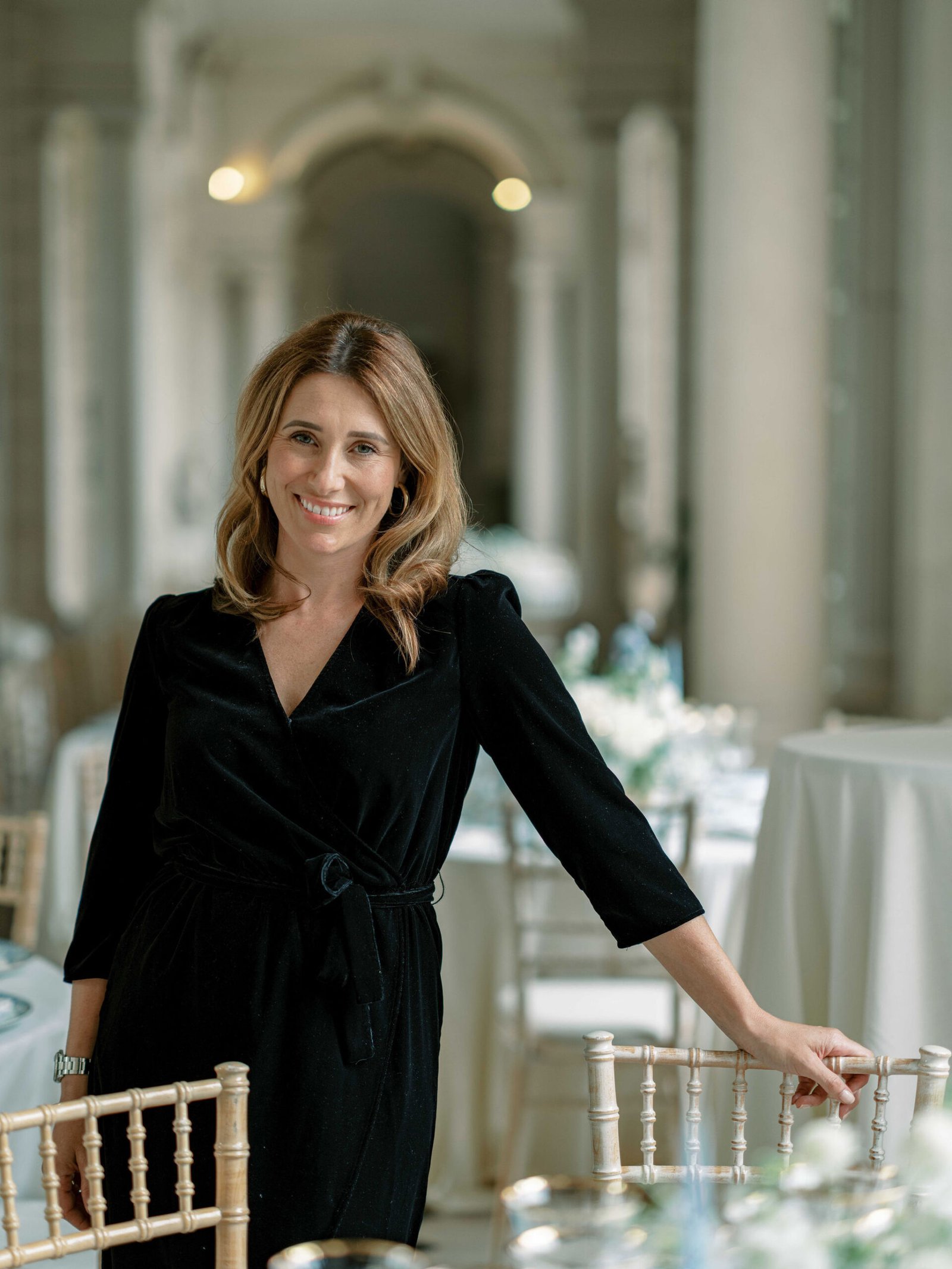
The timeline conversation that changes everything
The single most important collaboration between a photographer and a planner happens months before the wedding day. It’s the timeline conversation, and it’s where most communication failures originate.
Here’s what I mean. A planner builds the day around logistics: when the caterer arrives, when the florist finishes setup, when guests need to be seated. A photographer builds the day around light: when golden hour starts, how long couple portraits need, when the ceremony space looks best. These two timelines often conflict.
The planners I love working with, Madame Wedding Design, Opaline Paris, SC Events, understand this tension and resolve it early. They’ll call me three months out and say, « Ceremony is at 4pm, does that work for your light? » That question alone tells me they understand what makes great photography possible. The answer might be, « Can we push to 5pm? The venue faces west, and 4pm means harsh overhead sun on every guest’s face. » A great planner adjusts. A good planner compromises. A bad planner says the caterer needs dinner at 7 and the timeline is fixed.
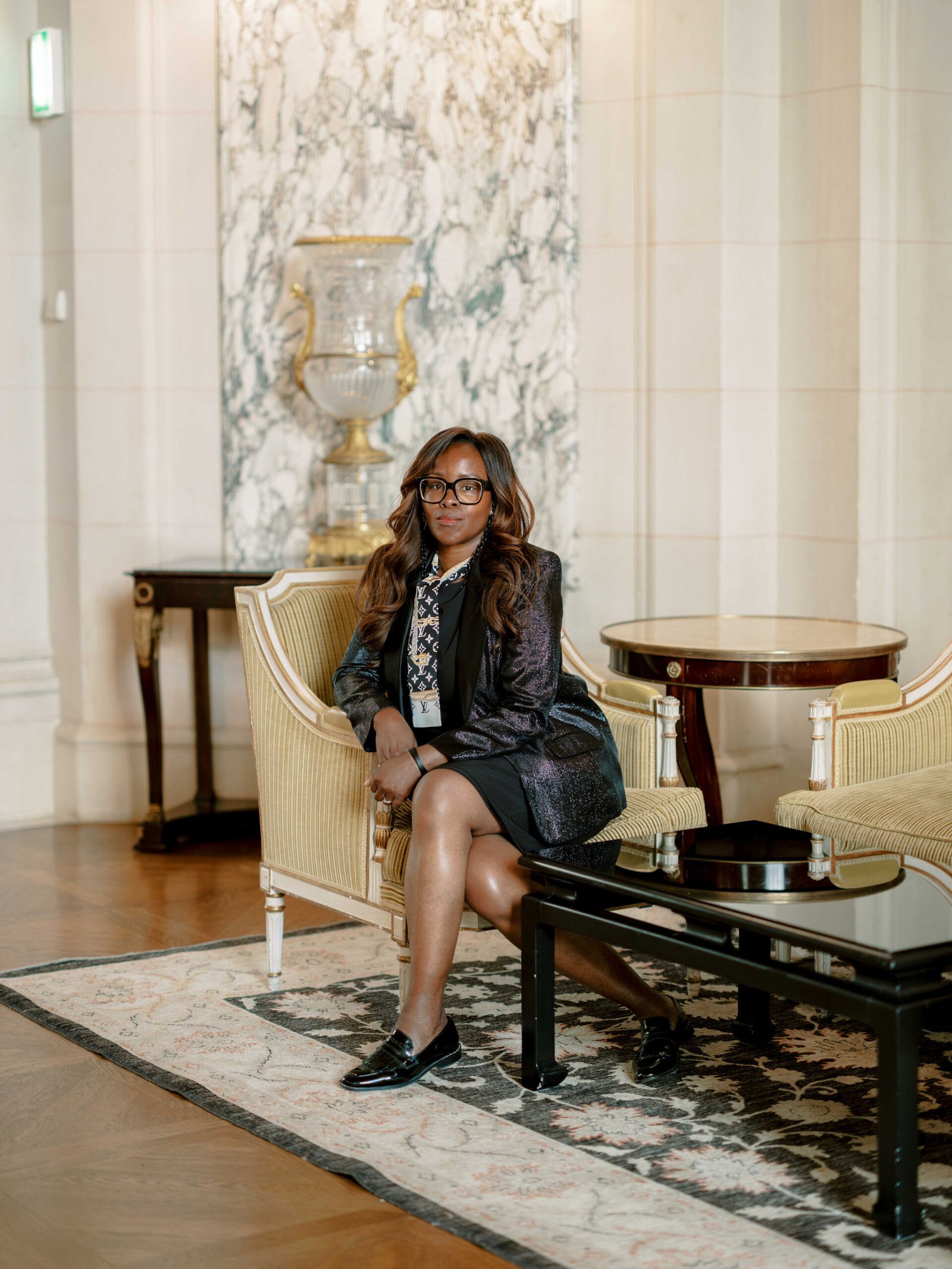
What planners do that photographers can’t
I’m going to be honest about something. On the wedding day, my job is to see. To watch the light, anticipate the moments, compose the frames. I cannot simultaneously manage the uncle who won’t stop giving unsolicited toasts, the flower girl who’s having a meltdown, and the band that started playing twenty minutes early.
A great planner creates a protective bubble around the couple, and by extension, around me. When things go wrong (and something always goes wrong), the planner absorbs it so the couple never knows. That bride who walked down the aisle looking serene and radiant? She doesn’t know the florist delivered the wrong colour roses and the planner had them replaced in forty minutes. She just knows the flowers were beautiful.
For me as a photographer, that invisible problem-solving is invaluable. It means I can focus entirely on capturing the story, not on troubleshooting logistics.
The vendor coordination most couples don’t see
Here’s something that happens behind the scenes at every well-planned luxury wedding. About two weeks before the day, the planner sends what I call « the vendor briefing », a detailed document with the timeline, contact numbers, setup locations, special requests, and crucially, the photography schedule.
This document is gold. It means when I arrive at the venue, the florist knows I need five minutes with the bouquet before it goes to the bride. The videographer knows we’re sharing the ceremony aisle and have agreed on positions. The DJ knows not to announce the first dance until I’ve confirmed I’m in position.
Without a planner, I’m making these arrangements myself, texting vendors I’ve never met, hoping they check their phones, negotiating on the fly. It works, but it takes energy I’d rather spend on making images.
When there’s no planner. How I adapt
Not every wedding has a planner, and that’s okay. Smaller celebrations, elopements, intimate gatherings, sometimes a planner isn’t necessary. But the coordination still needs to happen.
When there’s no planner, I take on a larger role in timeline management. During our consultation, I’ll help the couple build a realistic schedule that accounts for light, logistics, and breathing room. I’ll send them a detailed photography timeline two weeks before the wedding. And on the day, I’ll gently guide the flow, suggesting when to start portraits, when to head to the ceremony space, when to steal five minutes alone before dinner.
I don’t mind this role. But I want to be transparent: when I’m thinking about logistics, I’m thinking less about photography. A planner frees me to do what I do best.
The planners who make the best photographs happen
Over the years, I’ve noticed patterns in the planners whose weddings consistently produce my strongest work. Here’s what they have in common.
They respect light. They understand that photography isn’t just about « capturing moments », it’s about being in the right place when the right moment meets the right light. They build buffer time into the schedule for portraits. They don’t rush the couple through golden hour to hit a catering deadline.
They communicate proactively. They don’t wait for problems, they anticipate them. « The ceremony space has no shade, should we provide parasols? » « The reception room has mixed lighting, do you need anything special? » These questions, asked weeks in advance, prevent day-of disasters.
They protect the couple’s experience. The best planners I’ve worked with create an environment where the couple can be fully present in their wedding, not managing it. And fully present couples are more relaxed, more emotional, more real, which means better photographs.
A note for wedding planners reading this
If you’re a planner and you’ve made it this far, here’s what I want you to know. The best photographer-planner relationships are built on early communication, mutual respect for each other’s craft, and a shared commitment to the couple’s experience.
I don’t need much from you on the wedding day. A clear timeline. A point of contact if something changes. A five-minute heads-up before key moments (first look, ceremony start, first dance). And the understanding that when I ask for ten more minutes of couple portraits, it’s because the light is extraordinary and I want to give the couple something they’ll treasure.
In exchange, I’ll deliver images that make your work shine. Every detail you designed, every space you curated, every moment you orchestrated, I’ll photograph it in a way that shows the full scope of what you created. My portfolio is your portfolio. We’re building the same thing.
For couples navigating this relationship
If you’re hiring both a planner and a photographer, the best thing you can do is introduce them early. A quick email connecting the two, months before the wedding, opens the door for the timeline conversation that makes everything else work.
And if you’re choosing between vendors, ask your planner which photographers they enjoy working with, and ask your photographer which planners they recommend. The teams that have worked together before produce better results, not because they’re more talented individually, but because they’ve already built the trust and communication that great wedding days require.
That’s the real secret. It’s not about hiring the « best » photographer and the « best » planner separately. It’s about building a team that works together as one.
Let’s talk about your wedding team
Planners I recommend: Madame Wedding Design · Opaline Paris · SC Events
Photography: Franklyn K Photography
Published in: Vogue · Brides · Wedding Sparrow · Carats & Cake